Your business depends on software. We help get it under control.

We provide hands-on Fractional CTO support to companies where software is an important part of the business, but the leadership, development, or ownership around it is unclear.

We step in when systems have become fragile, delivery is dragging, or there is no clear technical leadership. We help clarify the situation, restore control, and set the next steps.

What we do

The work usually starts with a review of the actual state of your software, continues with taking over technical leadership, and can grow into an ongoing Fractional CTO retainer.

Core service

Taking Over Technical Leadership

When your company's software is important, but its leadership, focus, and ownership are unclear.

  • Take over technical responsibility.
  • Set priorities and the action plan.
  • Get the development process and deployments working properly.
  • Lead partner and developer work.
  • Guide architecture and implementation.
  • Carry out the development needed to move the product forward.
First step

The Actual State of Your Software

When you need an independent view of the real state of your software, where the risks are, and which next steps make sense. The review also covers existing automation and AI usage, looking at both risks and practical opportunities.

  • Codebase and architecture review.
  • Review of the development process and ways of working.
  • Hosting, deployment, security, and production-readiness review.
  • Assessment of partner work, current capability, and missing roles.
  • Mapping the business need, product focus, and next steps.
Ongoing support

Fractional CTO Retainer

For companies that need consistent technical leadership, but do not yet need a full-time CTO.

  • Maintain technical direction and guide important decisions.
  • Direct development partner and developer work and track outcomes.
  • Keep development pace and priorities consistent.
  • Align business needs, product priorities, and technical choices.
  • Define the roles and capabilities the team needs.
  • Monitor technical risks and system reliability.
  • Contribute directly in development.

Who this is for

This fits companies whose operations or revenue depend on custom software, but that are not software companies and do not have strong technical ownership in-house.

01

Companies with business-critical software that is outsourced, neglected, or understood by too few people inside the business.

02

Companies with an idea, prototype, or early product that now need experienced technical direction to turn it into a real, maintainable product.

03

Companies with AI-built, outsourced, or rushed systems that now need professional review, stronger security, better maintainability, further development, and a credible path to production.

Typical problems we help solve

01

Technical ownership is fragmented or missing entirely.

02

The development process and day-to-day ways of working no longer support the business.

03

Oversight of partners and development work is weak or absent.

04

Systems have evolved unevenly over time and are now difficult to change and extend safely.

05

Product direction, technical decisions, and business goals are no longer aligned.

06

Important decisions are made under pressure, without a clear picture or shared principles.

How we work

We start by understanding how the system really works today, where the risks are, what is slowing change down, and what the business actually needs. Then we help fix the right things in the right order.

01

Assess

Build a clear picture of how the system works today, what it depends on, how delivery is run, and where the main risks sit.

02

Identify

Surface what is slowing change down: unclear ownership, technical bottlenecks, problematic dependencies, or weak points in partner delivery.

03

Prioritise

Decide what needs fixing now, what can wait, and which sequence best supports the business.

04

Execute

Work with your team and partners to make the needed changes happen, taking a direct role in execution where it matters.

Selected work

A short example of the kind of hands-on engagement this service covers.

App-based motorbike rental platform for the Thai market.

Rollzy

rollzy.app

Situation

Rollzy had an initial version of the platform, but the solution required a more structured reset: key functionality was incomplete, reliability was not yet at the required level, and there was limited visibility into what had been specified, built, and delivered.

What we did

We first mapped the real state of the product, limited the initial scope, and sharpened the product focus. Together with the client, we defined the early customer, the core processes, and a realistic route into the Thai market. That work made it clear that moving forward required a new technical foundation, which we then took through to the first MVP launch.

What happened next

We helped define which key roles and capabilities Rollzy needed in its own team to keep moving, and assess whether the people brought in were the right fit for those roles. We remained involved in the product's continued development after the initial launch.

About

Behind Zemora is Toomas Soha's experience as an engineering leader and founder. It spans more than 15 years across fintech, telecom, health tech, and startup product delivery, including Head of Engineering and CTO roles, hands-on architecture, team building, and shipping production systems.

That background helps connect speed, reliability, and technical leadership in situations where all three need to work together.

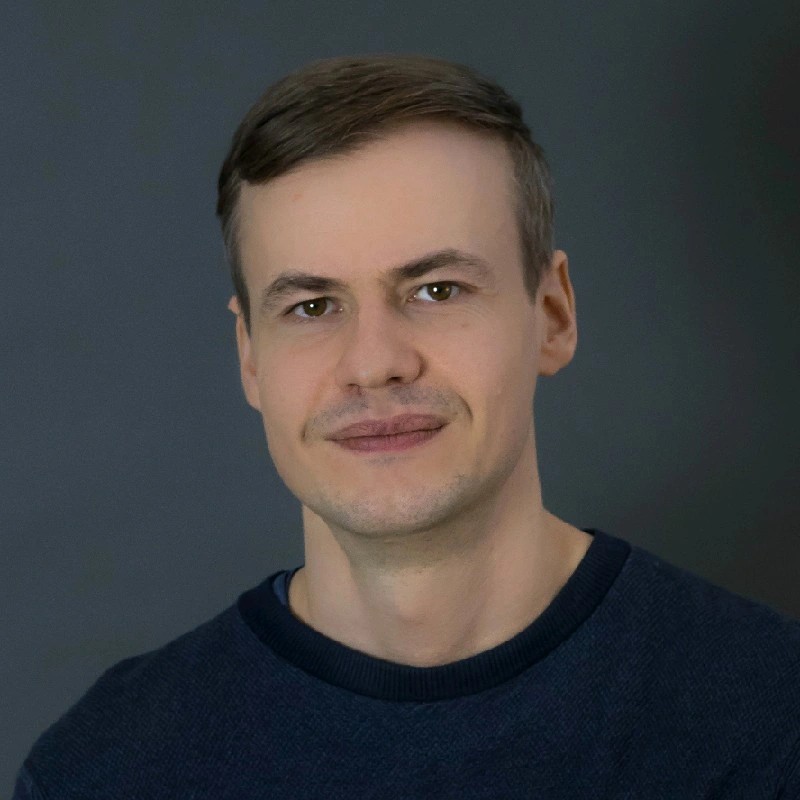
Portrait of the founder behind Zemora.

Toomas Soha

LinkedIn

Our approach

01

We work directly inside the problem, not as advisors from the sidelines.

02

We keep communication clear and understandable for both leadership and developers.

03

We make decisions grounded in business needs and technical reality.

04

We take responsibility for making sure the necessary decisions and work actually move forward.

Start here

Let's assess your situation

Every situation is different. If your business depends on software and you are not fully confident about the state of the technical side or what should happen next, a short conversation is the right place to start.